

¿Quién es mi prójimo?
¿Solemos considerar «prójimo» a personas con las que tenemos poco en común?
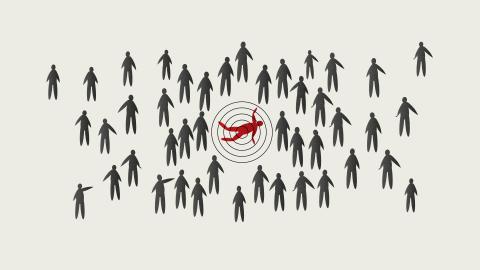
En octubre de 2011, una niñita de dos años se alejó de su casa en la ciudad china de Foshan y fue atropellada por una furgoneta. Las cámaras de circuito cerrado captaron el incidente y mostraron que la nenita permaneció sola mientras al menos dieciocho personas pasaron a su lado sin auxiliarla. Finalmente, Chen Xianmei, una trabajadora de la empresa de recolección de basura, acudió en su ayuda, pero la chiquita falleció ocho días después a causa de sus lesiones.
Las imágenes del vídeo se volvieron virales más tarde y muchos quedaron consternados por la cantidad de personas que pasaron de largo sin ofrecer ayuda. Con el fin de fomentar una mayor compasión, se lanzó una campaña en redes sociales llamada «Stop Apathy» (Acabemos con la apatía).
Pero ¿cómo, exactamente, podemos acabar con la apatía? ¿Y cómo fue capaz Chen Xianmei de recurrir a la compasión cuando otros no pudieron?
¿Actuar o no actuar?
Existen diversas razones por las que una persona puede decidir intervenir (o no intervenir) en una situación dada.
Por ejemplo, en China, en el momento de la muerte de la pequeña, no existían leyes nacionales de «buen samaritano», y en los medios de comunicación habían aparecido casos muy sonados de víctimas que llevaban a los tribunales a quienes habían intentado ayudarlas para reclamarles los gastos médicos o incluso acusarlas de haberles causado las lesiones. La propia Xianmei se enfrentó a acusaciones de haber intervenido para obtener fama, atención o incluso una recompensa. Muchos comentaristas especulaban que los transeúntes podrían haber temido este tipo de repercusiones. Además, una estafa habitual en la región consistía en fingir una lesión para extorsionar a los transeúntes y obtener dinero. Teniendo en cuenta estas circunstancias culturales, resulta más fácil comprender por qué tantos pudieron haberse mostrado recelosos.

Las influencias culturales también afectan a los países occidentales. Es posible que quienes crecieron en Estados Unidos o en el Reino Unido durante la época de las campañas de servicio público sobre el «peligro de los desconocidos» hayan fomentado una actitud excesivamente recelosa hacia los «desconocidos». Aunque comenzó como una respuesta comprensible a una serie de casos de secuestro de gran repercusión mediática, y algunos de sus consejos resultaron útiles (como el de advertir a los niños de no subirse a coches de personas que no conocieran), ignoró en gran medida que la mayoría de los niños eran secuestrados por personas a las que sí conocían. Ese énfasis mal orientado puede haber contribuido a una actitud temerosa que ahora se extiende a los desconocidos y a los extranjeros en general.
Por otro lado, para alguien que se haya criado en una zona donde se practica el concepto sudafricano de ubuntu, puede existir una actitud más naturalmente compasiva hacia los desconocidos. Este concepto hace hincapié en una visión colectiva e interconectada de la humanidad, en la que los intereses de la comunidad prevalecen sobre los individuales. Estos factores culturales pueden influir en nuestro nivel de confianza al acercarnos a una persona desconocida.
Además de las influencias culturales, nuestros cerebros están sujetos a una serie de sesgos que pueden favorecer u obstaculizar nuestra capacidad para estar a la altura de las circunstancias en favor de personas desconocidas.
¿Alguna vez nos hemos sentido frustrados por la acción de un conductor en la carretera y hemos menospreciado a toda su persona, pero luego nos hemos justificado a nosotros mismos al cometer el mismo acto imprudente? Este podría ser un ejemplo del sesgo cognitivo conocido como error de atribución fundamental. Cuando otros cometen un error, lo achacamos a su mal carácter; pero cuando somos nosotros quienes cometemos el mismo error, tendemos a justificarlo o a restarle importancia, catalogándolo como «una excepción».
O tal vez pasamos junto a alguien que necesita ayuda sin ofrecérsela porque, inconscientemente, creemos que su situación es la consecuencia natural de decisiones imprudentes tomadas anteriormente, en cuyo caso estaríamos cayendo en la falacia del mundo justo: la suposición de que cada uno recibe lo que se merece.
«Creer en un mundo justo es reconfortante: aporta orden y previsibilidad, en vez de reconocer la naturaleza caprichosa de las cosas».
Cuando hay varias personas presentes, podría entrar en juego el efecto espectador, lo que da lugar a una dispersión de la responsabilidad: nadie sabe muy bien quién debería actuar, así que nadie lo hace.
Estos (y muchos otros) sesgos son en gran medida inconscientes, pero a menudo no nos cuestionamos estos atajos mentales. Cuando se trata de desconocidos, esto puede significar no reconocer la humanidad común que compartimos con alguien que necesita ayuda, ni comprender que nosotros también podríamos encontrarnos en una situación angustiosa.
Cualesquiera de estos factores (o todos ellos) podrían influir en nuestra capacidad para acercarnos a un desconocido que necesite ayuda.
«Nosotros» y «ellos»
En nuestro afán de sentirnos seguros, a menudo buscamos similitudes y grupos que nos hagan sentir más cómodos. Es natural buscar personas con las que podamos conectar fácilmente. Identificar estas similitudes puede hacernos sentir que formamos parte de algo. Encontrar personas con ideas afines que compartan nuestros intereses y valores nos ayuda a sentirnos más involucrados en momentos en los que, de otro modo, podríamos sentirnos marginados. También permite establecer vínculos entre quienes atraviesan circunstancias poco comunes o inusuales, facilitándoles el contacto con otros que han vivido experiencias similares. Todo ello puede servir para reforzar una base social que, en el mejor de los casos, nos apoya a todos.
Las investigaciones sugieren que estas conexiones más fáciles dentro del propio grupo también pueden influir en nuestra capacidad de empatía. Una revisión de estudios de resonancia magnética funcional (fMRI) reveló que cuando las personas ven a miembros de su propio grupo recibir un estímulo doloroso, suelen mostrar actividad en regiones del cerebro asociadas con la observación del dolor ajeno. Aunque esto no es ninguna sorpresa, lo contrario también es cierto. Cuando la misma persona observa a un miembro de un grupo ajeno sufriendo, esas mismas regiones del cerebro se activan menos. Esto sugiere que nos cuesta más sentir empatía más allá de las divisiones entre grupos.
Igualmente preocupante es la forma en que establecemos distinciones según la pertenencia a un grupo. Grupos que pueden parecer inofensivos pueden, en última instancia, dar lugar a prejuicios contra quienes no pertenecen a ellos. Incluso un estudio con niños en edad preescolar, divididos al azar en los grupos «rojo» y «azul», muestra un sesgo favorable hacia los miembros de su propio grupo. Otro estudio con aficionados a equipos rivales revela que estos eran más propensos a intervenir para aliviar el dolor de los miembros de su propio grupo que el de los de otro equipo.

¿Protege su paz?
Es alentador que los estudios también demuestren que si somos capaces de relacionarnos con miembros de grupos ajenos al nuestro, esto puede generar mayor empatía y acciones compasivas para aliviar el sufrimiento. Los ejercicios cognitivos que nos ayudan a identificar nuestra preocupación por quienes nos son cercanos y, a continuación, a practicar cómo dirigir ese mismo nivel de preocupación hacia personas que no conocemos han demostrado ser muy eficaces. Cientos de estudios coinciden en que cuanto más aprendemos, conocemos y nos relacionamos con miembros de grupos ajenos al nuestro, más fácilmente reconocemos nuestra humanidad común y damos rienda suelta a la compasión.
«Esta es la definición que utilizo como investigadora especializada en compasión. La compasión implica: 1) la conciencia del sufrimiento ajeno, 2) una respuesta emocional benevolente ante ese sufrimiento y 3) el deseo o la motivación de ayudar a aliviarlo».
Por desgracia, nos vemos sometidos a numerosas presiones culturales que nos empujan a hacer exactamente lo contrario, lo que nos lleva a un mayor aislamiento. A medida que las conversaciones se trasladan cada vez más al ámbito digital, los intercambios breves en las redes sociales dificultan ofrecer contexto y matices sobre cuestiones complejas y, en su lugar, favorecen los memes, los chistes concisos y los insultos. Nuestra experiencia digital se vuelve cada vez más personalizada, con menor acceso a grupos, ideas y perspectivas diversas.
Una de las preocupaciones en el panorama digital es el acceso creciente a contenidos cada vez más polarizantes, sesgados o distorsionados. Se ha acuñado el término «radicalización algorítmica» para describir la teoría de que las redes sociales como YouTube, Facebook y TikTok pueden llevar a las personas a consumir contenidos cada vez más radicales. Aunque los estudios arrojan resultados contradictorios sobre quién es el principal impulsor de los contenidos radicalizados, el usuario o el algoritmo, lo cierto es que existe un claro aumento en el acceso a dichos contenidos. Y esto puede fomentar una versión sesgada de la realidad. Nuestra falta de interés por ideas diferentes puede perjudicar nuestra capacidad de empatizar de manera más amplia.
Al mismo tiempo, los movimientos de «psicología popular» nos animan a «proteger nuestra paz» rodeándonos de personas que comparten nuestra visión del mundo. Entendido correctamente, el concepto tiene como objetivo ayudar a las personas a establecer límites saludables y fomentar conexiones significativas. Pero si nuestro objetivo principal es encontrar y relacionarnos con personas con las que ya estamos de acuerdo, cabe preguntarse si no estamos perdiendo oportunidades de enfrentarnos a ideas difíciles, complejas y sutiles.
Greg Lukianoff y Jonathan Haidt analizaron este fenómeno en su polémico libro de 2018, The Coddling of the American Mind. En su opinión, en los campus universitarios se había producido una distorsión cada vez mayor del razonamiento emocional y del pensamiento «nosotros contra ellos». Los autores atribuían estos patrones de pensamiento a una cultura de «seguridad extrema», en la que se protege a los estudiantes de las ideas complejas hasta el punto de que confunden lo que resulta simplemente incómodo con lo que es peligroso. Los autores sugerían que esta falta de diversidad de puntos de vista contribuye a las cacerías de brujas e incluso a la violencia física, citando ejemplos como las protestas de Berkeley en 2017, en las que las manifestaciones, inicialmente pacíficas, se tornaron violentas cuando aparecieron agitadores enmascarados.
Los críticos del libro señalan argumentos falaces y premisas erróneas que sustentan algunas de sus afirmaciones más radicales. Pero Lukianoff y Haidt sí plantean una cuestión válida sobre la creciente incapacidad para debatir temas difíciles con calma y, en su lugar, la escalada hacia la violencia. Sin embargo, está claro que la falta de tolerancia hacia las ideas contrarias no se limita a los campus universitarios. Aunque algunos sostienen que la censura ha sido durante mucho tiempo un problema en los campus universitarios, la vemos en todos los rincones de la sociedad.
El impulso de silenciar a quienes no comparten nuestra opinión no se limita a una sola generación, situación económica, institución o ideología, y las investigaciones confirman lo que vemos en los titulares diarios. Por ejemplo, Emily Kubin y su equipo de psicólogos descubrieron en 2024 que damos por justificada la censura cuando las ideas nos resultan perjudiciales o falsas. Otro grupo de investigadores descubrió, además, que personas de todo el espectro político participan en la «cancelación» en proporciones similares, y que cada bando interpreta su propia respuesta como justa y la de su oponente como censura. Esto se manifiesta en todos los niveles: en despidos laborales por publicaciones en redes sociales, en la legislación gubernamental, en la música y las artes, en el patrocinio empresarial… en cualquier lugar donde podamos identificar algo que percibamos como una amenaza para nuestros valores morales. La dificultad para tolerar opiniones contrarias parece ser un problema profundamente humano, no solo propio del ámbito universitario.
«En un mundo ideal, las personas racionales que se encuentran con nuevas pruebas que contradicen sus creencias evaluarían los hechos y cambiarían de opinión en consecuencia. Pero por lo general, las cosas no funcionan así en el mundo real».
Debatir respetuosamente con quienes tienen ideas diferentes es más fácil de decir que de hacer. Mantener la compostura y estar dispuesto a escuchar un argumento que cuestiona nuestra visión del mundo nunca es fácil. A veces puede resultar incómodo e incluso ofensivo. Pero aun así, ¿será que podría valer la pena esforzarnos por ampliar nuestra perspectiva sin perder la compostura ni la compasión, incluso en esos momentos difíciles?
Así parece, sobre todo si tenemos en cuenta que el aumento de la polarización se ha identificado como uno de los principales riesgos para la estabilidad mundial. El «Informe sobre riesgos globales» del Foro Económico Mundial para 2025 indica que dos de los cuatro principales riesgos globales a corto plazo son la «desinformación y la información errónea» y la «polarización social».
El atractivo de la polarización
Dado que la polarización se asocia con un aumento de la violencia y la desconexión, resulta sorprendente que ejerza tal influencia en la sociedad. ¿Cuál es su atractivo?
Soren Kaplan, autor y colaborador del Centro para las Organizaciones Eficaces de la Universidad del Sur de California, señala que la polarización resulta gratificante. Satisface una necesidad psicológica de pertenencia y de sentido de propósito. Resulta reconfortante encontrar a personas con puntos de vista similares. Ofrece respuestas concretas, en blanco y negro, en un mundo que a menudo resulta confuso y ambiguo. Sin embargo, con demasiada frecuencia, la polarización conduce a la deshumanización de quienes tienen opiniones contrarias. Así, aunque se fomente un sentido de pertenencia dentro de un grupo determinado, cualquiera que tenga opiniones diferentes se convierte en enemigo.
En su libro Braving the Wilderness: The Quest for True Belonging and the Courage to Stand Alone, la destacada investigadora de la Universidad de Houston, Brené Brown, describe algunos de los devastadores efectos secundarios de formar grupos en torno a un enemigo común.
Señala al respecto: «La intimidad basada en un enemigo común es una conexión falsa y lo contrario de la verdadera pertenencia». Si el vínculo que compartimos con los demás se reduce simplemente a odiar a las mismas personas, la intimidad que experimentamos suele ser intensa, gratificante de inmediato y una vía fácil para descargar la indignación y el dolor. Sin embargo, no es el motor de una conexión auténtica».
Es fácil comprender lo tentador que puede resultar recurrir a un discurso polarizador, pero, en última instancia, no encontraremos la conexión que buscamos.
El valor de la incomodidad
Las relaciones humanas son complejas, sutiles, ambiguas y, a veces, confusas. Todos somos humanos, lo que significa que todos somos capaces de hacer tanto un gran bien como un gran daño, tanto a desconocidos como a conocidos. Y nuestra habilidad para gestionar la naturaleza difusa de la experiencia humana es fundamental para atravesarla con sensatez, amabilidad y compasión.
«¡Ojalá todo fuera tan sencillo! Ojalá hubiera gente malvada en algún lugar cometiendo actos perversos de forma insidiosa y solo fuera necesario separarlos del resto de nosotros y destruirlos. Pero la línea que separa el bien del mal atraviesa el corazón de todo ser humano».
Esta idea no es nueva. Max Gluckman, antropólogo social sudafricano y británico, señaló en 1955 que a menudo se forman sociedades cuyos miembros pueden ser, a la vez, amigos y enemigos de una misma persona, por motivos distintos. Pueden relacionarse entre sí en función de diversas lealtades, pero al tener muchas relaciones interdependientes, ninguna lealtad llega a ser predominante. Gluckman sostiene que, precisamente gracias a estas interdependencias, el conflicto se mantiene bajo control. En consecuencia, las sociedades que fomentan la interacción habitual con personas que comparten y difieren de nuestros puntos de vista aportan una capa adicional de estabilidad social.
Kaplan lo describe así: «Empatía. Humildad. Curiosidad intelectual. La capacidad de aceptar la ambigüedad. Estas son las cualidades que la polarización erosiona silenciosamente, incluso mientras promete pertenencia y sentido». Estos son los pilares sobre los que encontramos compasión y empatía hacia nuestros semejantes y construimos una comunidad verdaderamente solidaria.
La tentación de dividirnos en facciones, tribus, partidos o grupos es, sin duda, muy fuerte. Pero obtenemos un valor inmenso y una oportunidad de crecimiento al considerar los riesgos. Pertenecer a un grupo que consideramos mejor que otro puede darnos una falsa sensación de seguridad y comodidad, y su peligro radica en menospreciar la humanidad de quienes pertenecen a otros grupos.
Aunque nos identifiquemos con diversos ideales y movimientos, ¿seguimos siendo capaces de sentir compasión por quienes piensan de manera diferente?
El buen vecino
Como hemos visto, hay una serie de obstáculos que pueden interponerse entre nuestras buenas intenciones hacia los demás y nuestra actuación. Incluso si no existen diferencias ideológicas o de otro tipo, podemos dejar que la pereza, la apatía o incluso el miedo a las repercusiones nos impidan actuar para mostrar compasión cuando alguien lo necesita.
Encontrar compasión en circunstancias difíciles puede resultar complicado, pero no imposible. Las acciones de Chen Xianmei al intentar ayudar a la niñita herida nos ofrecen un recordatorio alentador de lo que todos somos capaces de hacer cuando damos prioridad a la compasión en nuestras vidas. Relatos como el suyo suelen describirse como historias del «buen samaritano», nombre que proviene de la parábola bíblica en la que un transeúnte inesperado prestó ayuda a un desconocido que había sido víctima de un robo y de agresiones físicas.
«¿Cuál de estos tres piensas que demostró ser el prójimo del que cayó en manos de los ladrones? —El que se compadeció de él —contestó el experto en la Ley. —Anda entonces y haz tú lo mismo —concluyó Jesús».
Curiosamente, el relato sigue inmediatamente a lo que a menudo se denomina la Regla de Oro: «Ama a tu prójimo como a ti mismo», un principio moral fundamental en muchas sociedades. Pero la parábola es una respuesta a un desafío. Tras escuchar la enseñanza de la Regla de Oro, un letrado preguntó: «¿Y quién es mi prójimo?». Buscaba una laguna jurídica que le permitiera decidir quién merecía compasión y empatía y, por consiguiente, quién no (Lucas 10:25-37).
Es imposible no darse cuenta de que hoy en día existen actitudes similares. Nuestro entorno global, polarizado y divisivo, puede parecer exclusivo de nuestra época, pero es un problema que ha acosado a la humanidad durante milenios. La parábola se desarrolla en una Judea del siglo I, igualmente dividida. Antes de que llegara el samaritano, otros dos habían pasado de largo; se les identifica como un sacerdote y un levita, figuras religiosas muy respetadas de las que se habría esperado que tendieran una mano compasiva a un desconocido, de acuerdo con su ley. Los samaritanos, por su parte, constituían un grupo hacia el que los judíos sentían una animadversión de larga data. Identificar al protagonista como un samaritano habría sorprendido al público original.
La respuesta a «¿Quién es mi prójimo?» se encuentra en la parábola del buen samaritano. Fue tan instructiva entonces como lo es ahora y nos invita a cambiar nuestro enfoque. El buen samaritano demostró que cualquier persona que cultive una actitud empática y compasiva puede ejercer una profunda influencia sobre quien la necesita. Centrarse en si alguien merece o no compasión es perder el norte. Más bien, deberíamos centrarnos en cultivar la compasión en nuestras vidas.
Todos tenemos la oportunidad de mostrar empatía y compasión hacia quienes nos rodean. Pero el miedo, la división y las mentalidades deshumanizadoras nos exponen a todos al riesgo de ver a los demás como «los otros» en lugar de como seres humanos como nosotros. Desarrollar la capacidad de mirar con compasión a cada persona con la que nos cruzamos requiere ir más allá de la pertenencia a un grupo para reconocer nuestra humanidad común y promover la amabilidad y el cuidado hacia todos, incluso hacia aquellos con los que quizá no estemos de acuerdo.
Las historias del buen samaritano suelen narrar acciones extraordinarias. De hecho, en la parábola, el samaritano hizo todo lo posible y más para realizar un hermoso acto de bondad. Pero la compasión también puede demostrarse con un oído atento, paciencia, deseo de comprender y muchos otros atributos. Incluso en las circunstancias más cotidianas, podemos encontrar oportunidades para fomentar la compasión y convertirnos en mejores prójimos.