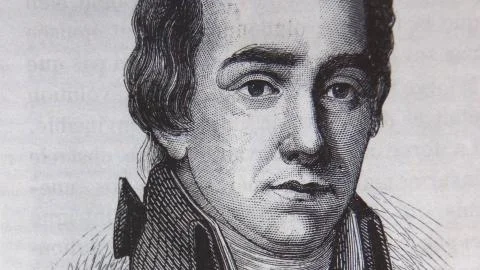
George Orwell: Writing a Revolution Alan MacIver Various life experiences undoubtedly played their part in producing what is possibly George Orwell’s best known work, Nineteen Eighty-Four.
Spring 2009 Ayn Rand: Fantasyland Dan Cloer It’s unusual to find someone who not only retains his or her early views but builds a whole superstructure of philosophical meaning atop them. Ayn Rand was such a person.
Fritz Haber: Plowshares and Swords Alice Abler The prophet Isaiah wrote of a time when instruments of war would be turned into implements for farming. But today, the opposite occurs far too often.
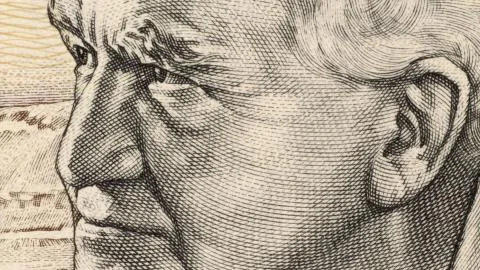
Summer 2008 David Ben-Gurion: For the Love of Zion David Hulme Zionist ideology formed the core of David Ben-Gurion’s identity. From his youth, the importance of settlement in the land was central to his views.
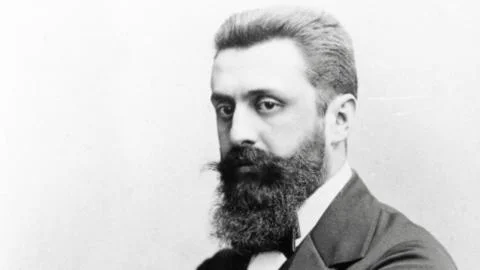
Theodor Herzl: Founding Father of Zionism In 1896 Theodor Herzl published The Jewish State (Der Judenstaat), the basis for his reputation as the father of political Zionism.
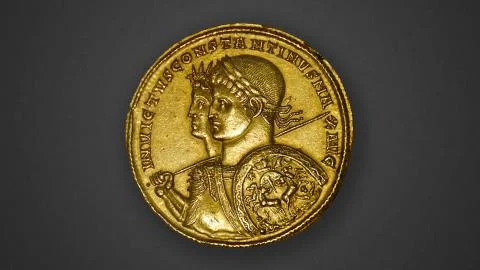
April 5, 2008 Constantine: The Man and the Church Peter Nathan Christianity has long claimed Constantine as one of its own. Yet even toward the end of his reign the emperor was open to new philosophical ideas.
December 5, 2007 Just Who Is Santa Claus? Alice Abler By working backward through history, we find that Santa Claus has been with us in various guises for thousands of years.
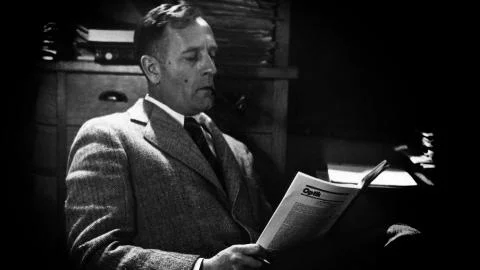
Summer 2007 Edwin Hubble: King of the Hill Dan Cloer Hubble became known as the man who made the smartest man in the world change his mind about the structure of the universe.
Winter 2007 William Wilberforce: The Persevering Parliamentarian Michelle Steel Confronted with the evidence of the inhumanity of slavery, William Wilberforce’s hope was to abolish it throughout the British Empire.
Spring 2006 John Maynard Keynes: Capitalism’s Savior? William Welch This issue’s Bio Vision looks at one of the most influential economists of all time, John Maynard Keynes.