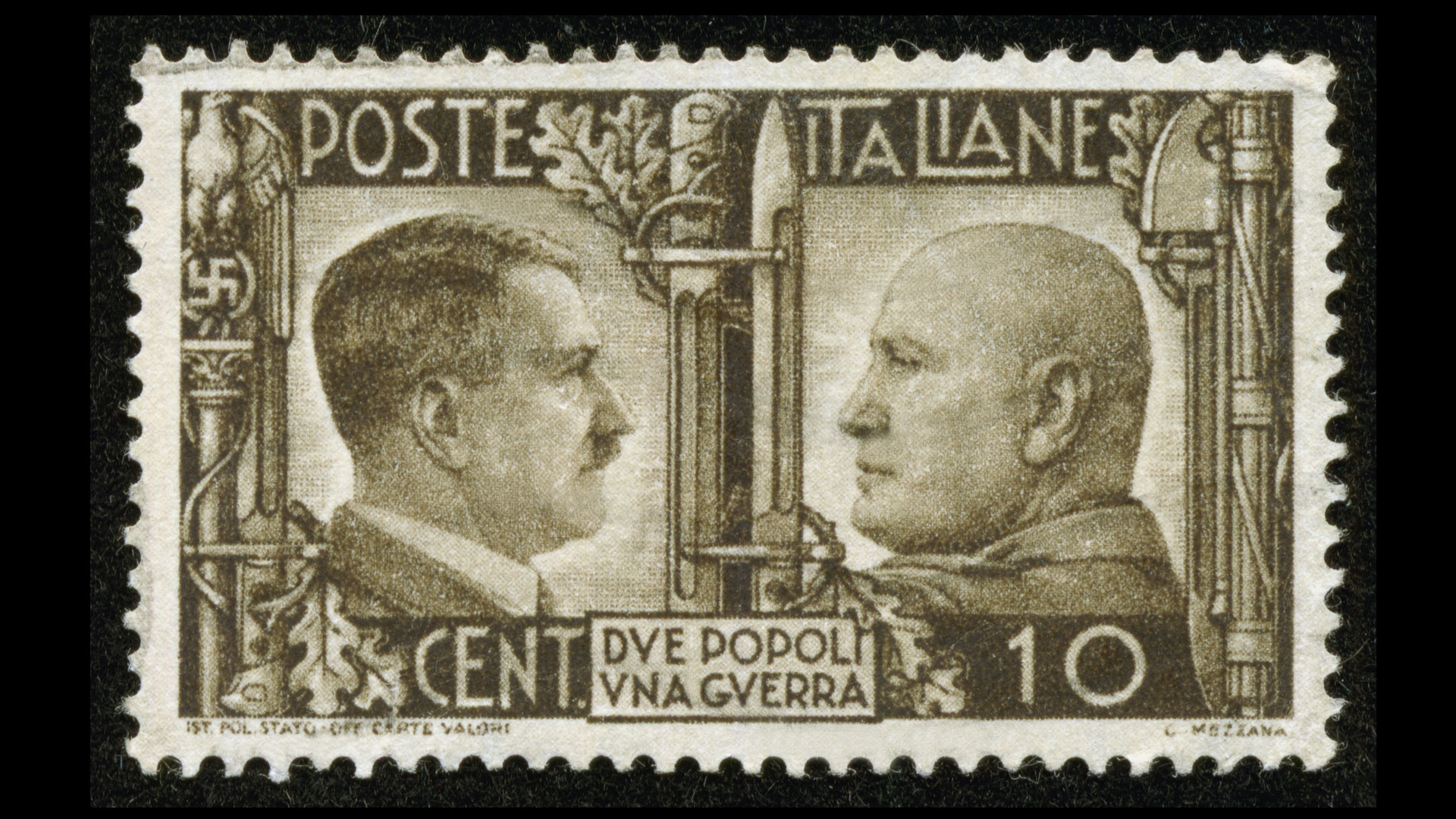
Hitler and Mussolini exuded messianic pretensions even before they came to power, and later willingly accepted the divinity their adoring publics granted them.
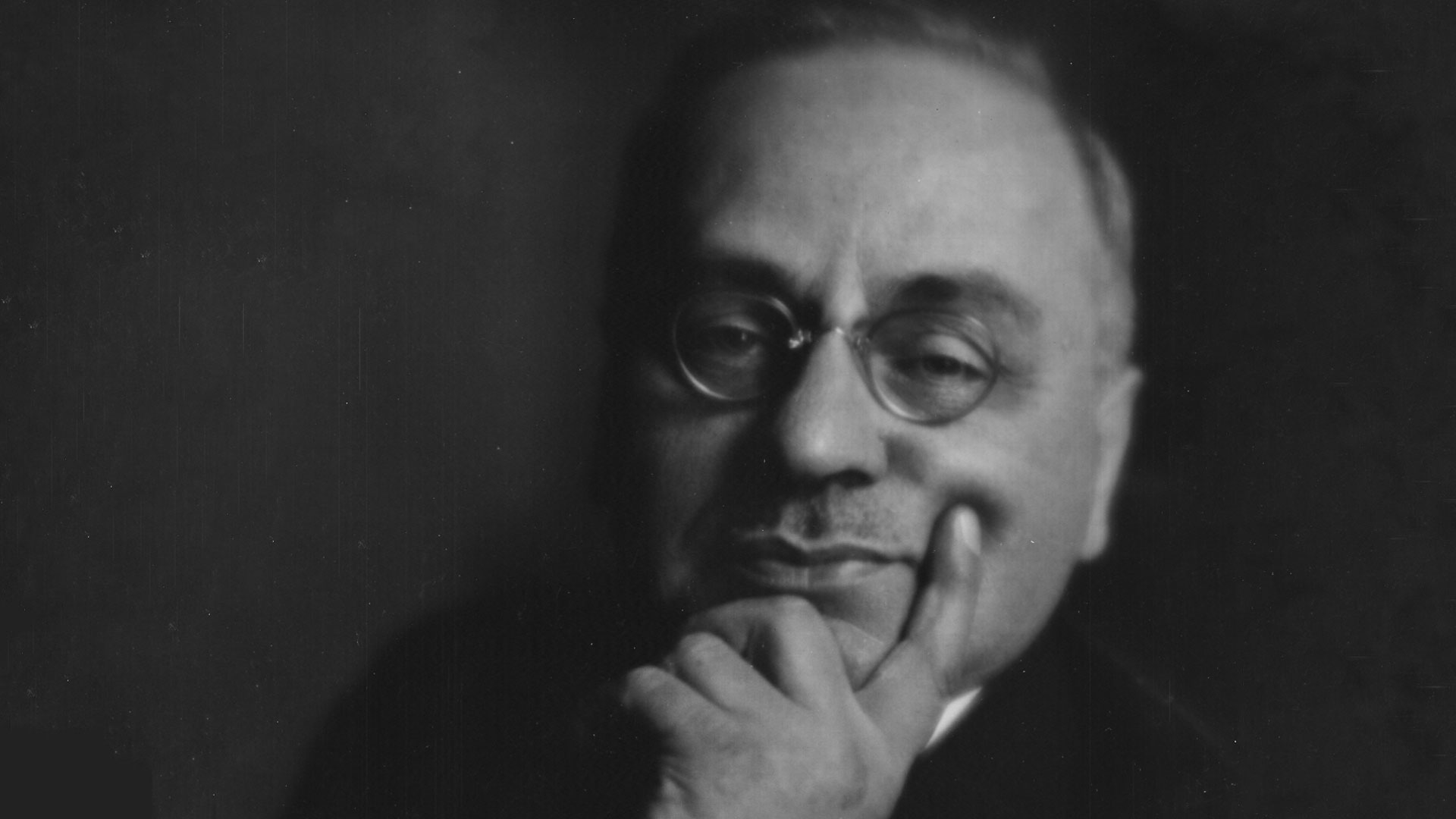
Though considered one of the three “great fathers” of modern psychotherapy, Alfred Adler is less familiar to most people today than Sigmund Freud and Carl Jung.
How much say should people have in determining the circumstances of their demise? Is ultimate personal autonomy, even in death, the most important aspect of life?
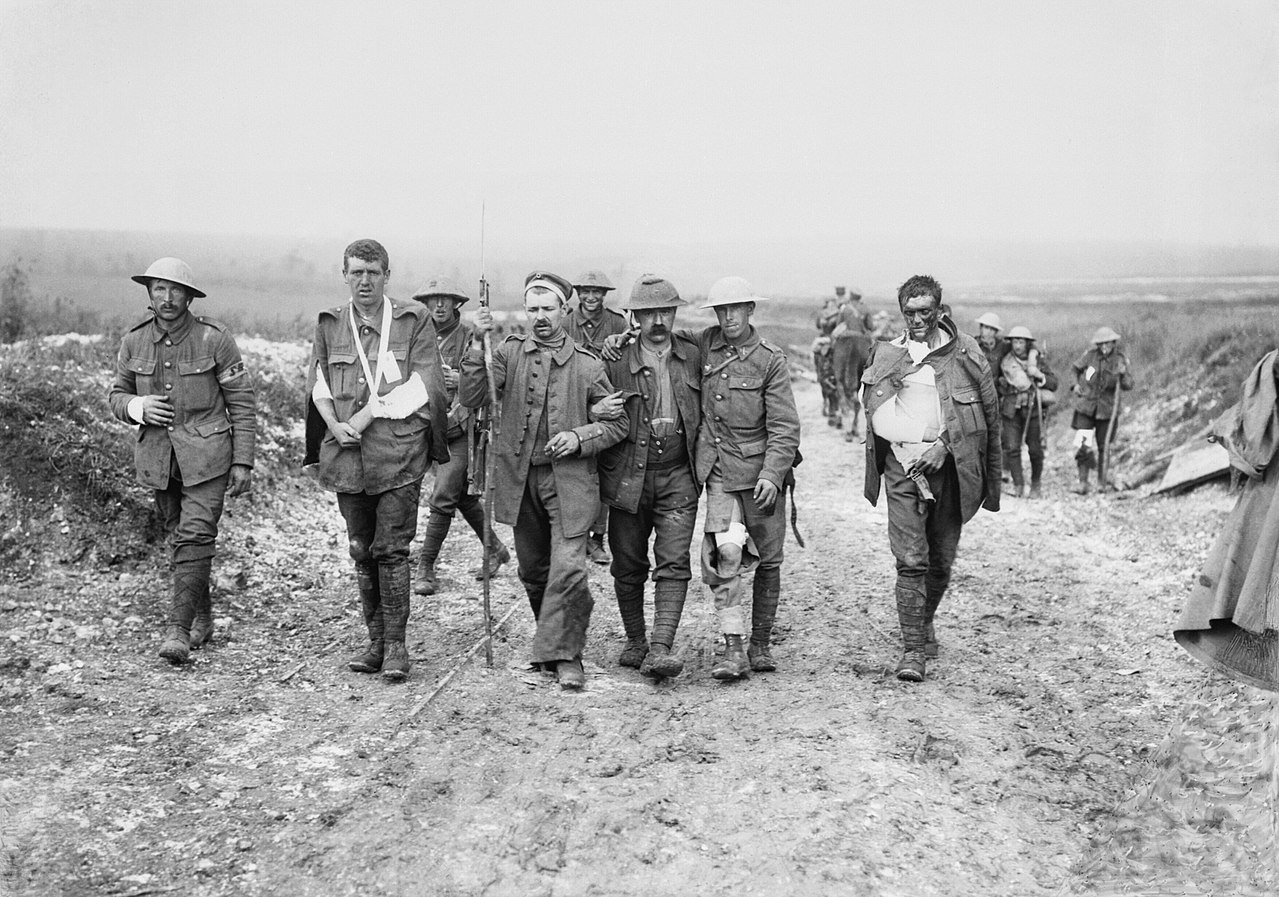
One hundred years ago, on November 11, 1918, World War I formally ended. In this collection of articles, Vision takes a closer look at “the war to end all war” and at the human proclivity for conflict.
It’s the final week of Jesus’ life on earth. After sidestepping traps set by the religious leaders of the day, He responds to questions about the end of the world.
The fashion industry is riddled with ethical issues—everything from child labor, slavery, terrible working conditions and even violence. How can consumers dress themselves while remaining true to their values?
Ancient writings found in the Judean desert have been at the center of conflict for more than 50 years. What have we learned from these much-debated texts?
Insight Video: Thirty years ago, the world’s worst nuclear accident occurred. Since then the effects have been felt worldwide, and the situation has yet to be contained.
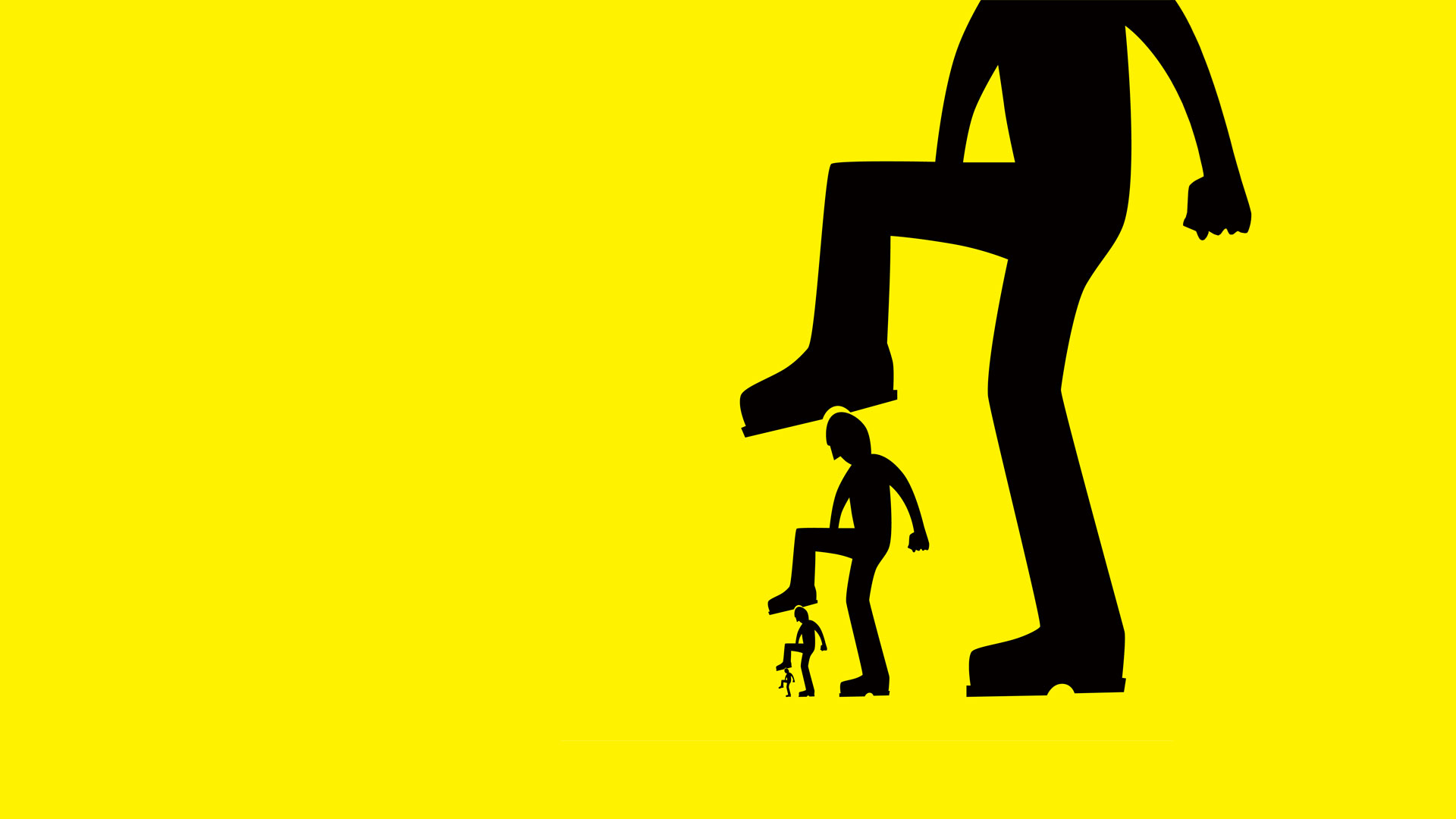
Given the wide range of advice available on dealing with bullies, it’s little wonder that many parents are confused about how best to help their victimized children. To help bring some clarity to the issue, Vision’s Gina Stepp interviews researcher Dieter Wolke of the University of Warwick.
The last written work of the apostle John was his enigmatic Apocalypse, or the book of Revelation. Why is the book so puzzling, and what is its message for today?