More Biographies
Carl Gustav Jung is best known as one of the fathers of modern psychotherapy alongside his erstwhile associates Sigmund Freud and Alfred Adler. Understanding something of his profound influence is critical for anyone who wants to better understand the current state of Western culture.
Otto von Habsburg died at the age of 98 Monday, July 4, 2011, at his home in Germany.
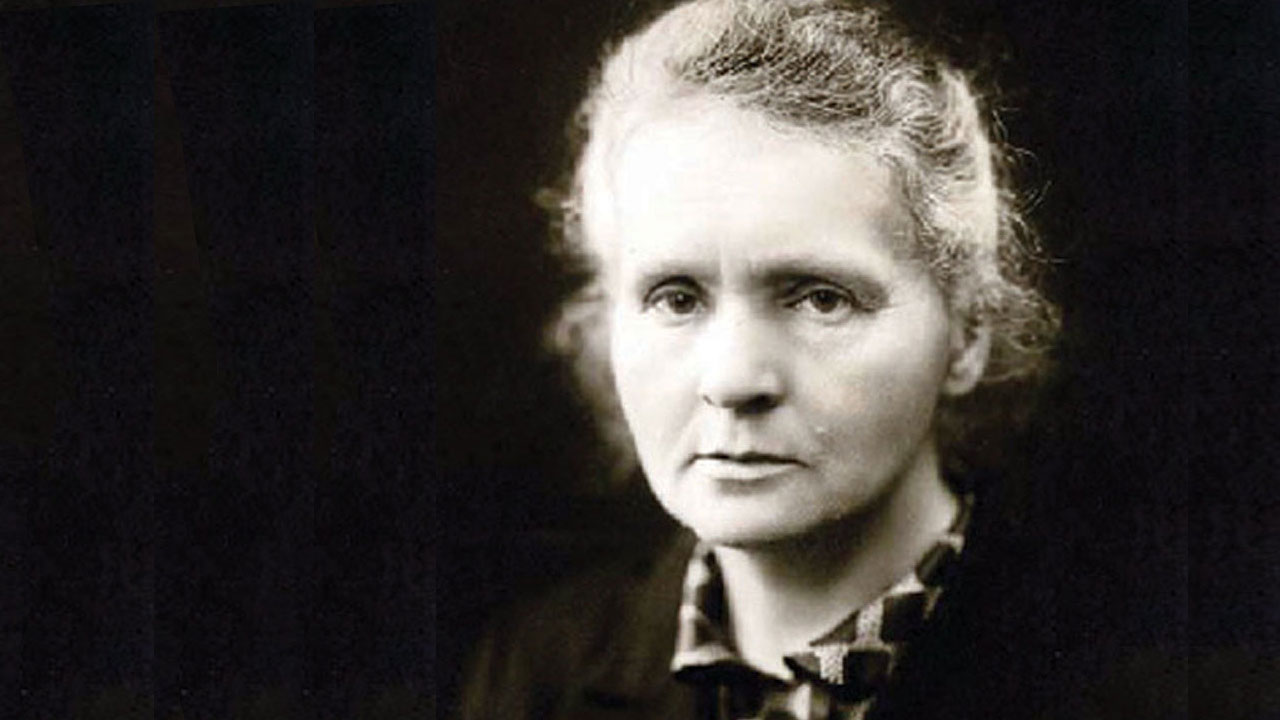
How little Manya Sklodowski (Marie Curie) became the first woman to earn the Nobel Prize in Physics, and the first person ever to earn a second Prize, is a fascinating story.
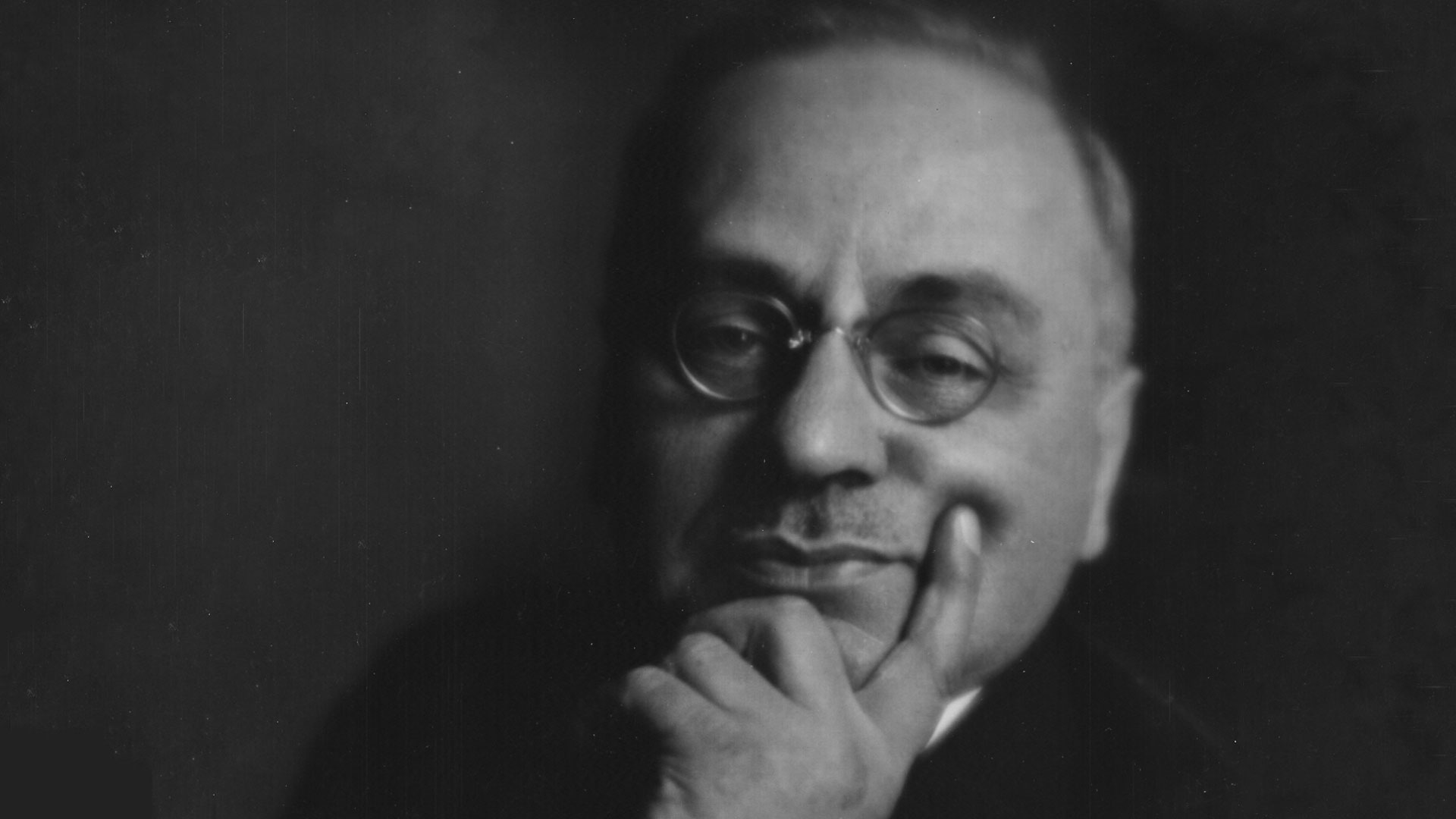
Though considered one of the three “great fathers” of modern psychotherapy, Alfred Adler is less familiar to most people today than Sigmund Freud and Carl Jung.
A masterpiece is something that’s done with extraordinary skill, and a review of John Robert Wooden’s life journey suggests that this maxim was indeed a daily focus.
Often lauded as one of America’s literary giants, Samuel Langhorne Clemens—better known as Mark Twain—lived a life filled with great joys, exciting journeys and investments, and a number of bitter defeats.
Despite his perpetually youthful appearance, Cupid is no neophyte. History shows that this veteran Valentine has been plying his trade since ancient times. Myth and legend grew over the millennia, providing him with many names and roles since his first appearance in the cradle of civilization.
On the occasion of his graduation from elementary school, young John Wooden received a piece of paper from his father, Joshua.
Both the title and the image of the Queen of Heaven persist in popular religious tradition.
The mid-20th-century boom of scientific and technological discoveries created a new society of consumers drunk with the power of instant gratification. The idea that life could become easier prevented many from seeing problems with advances in convenience, particularly any potentially negative effects on the earth or even on future generations. But some did see problems and cautioned restraint; perhaps the first and most notable—at least among Americans—was Rachel Carson.
John Calvin's quincentenary was commemorated this year with an internationally touring interdisciplinary conference. Even as 2009 draws to a close and the multiple conferences and commemorations celebrating his legacy diminish, few can deny the impact this controversial figure has made on the modern Protestant movement.
DDT was first synthesized in 1874, but it had no practical use until Paul Hermann Müller, a chemist working for Laboratorium der Farben-Fabriken J.R. Geigy A.G. (Laboratory of the J.R. Geigy Dye-Factory Co.) in Basel, Switzerland, discovered that it was an effective contact insecticide.
Step by step, inch by inch, sometimes by luck, and often against great adversity, the human race has waded into the cosmos. The last century was an extraordinary time of cosmic exploration, and George Hale’s contribution to that exploration was in building tools that have given us greater access to the universe.
Today marks the 40th anniversary of our first steps beyond the Earth. For almost anyone alive on July 20, 1969, the first words from the Moon and man’s first steps are flashbulb events.
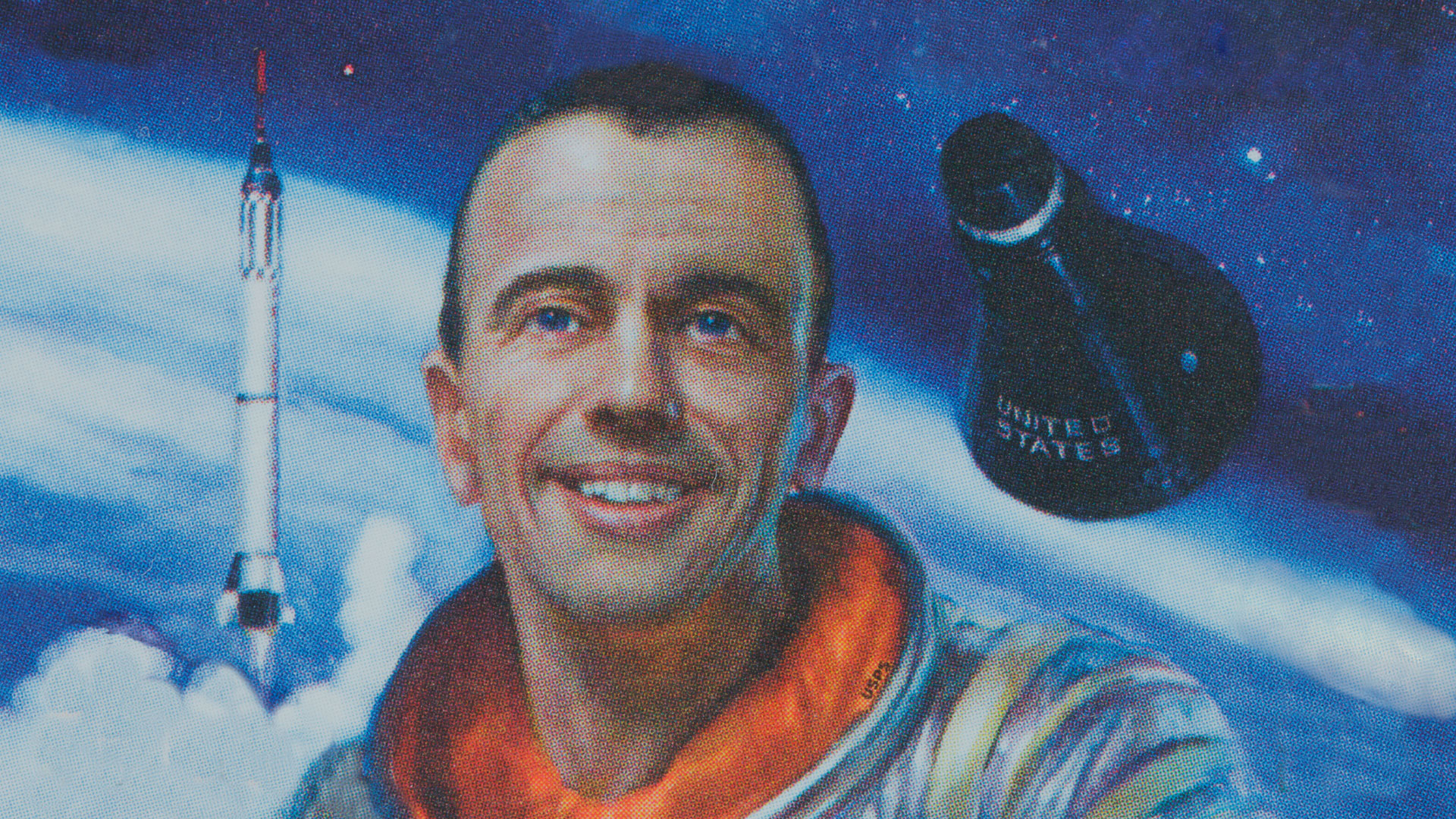
Alan B. Shepard, Jr. lived twice as long as many people expected. The first American in space, Shepard lit the American public’s enthusiasm to rally behind the space program.
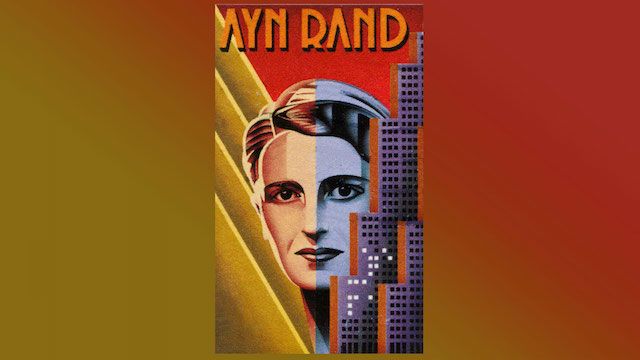
It is unusual to find someone who not only retains their early views but builds a whole superstructure of philosophical meaning atop them. Ayn Rand was such a person.
Various life experiences undoubtedly played their part in producing what is possibly George Orwell’s best known work, Nineteen Eighty-Four, which still has the ability to shock some 60 years after it was first published.
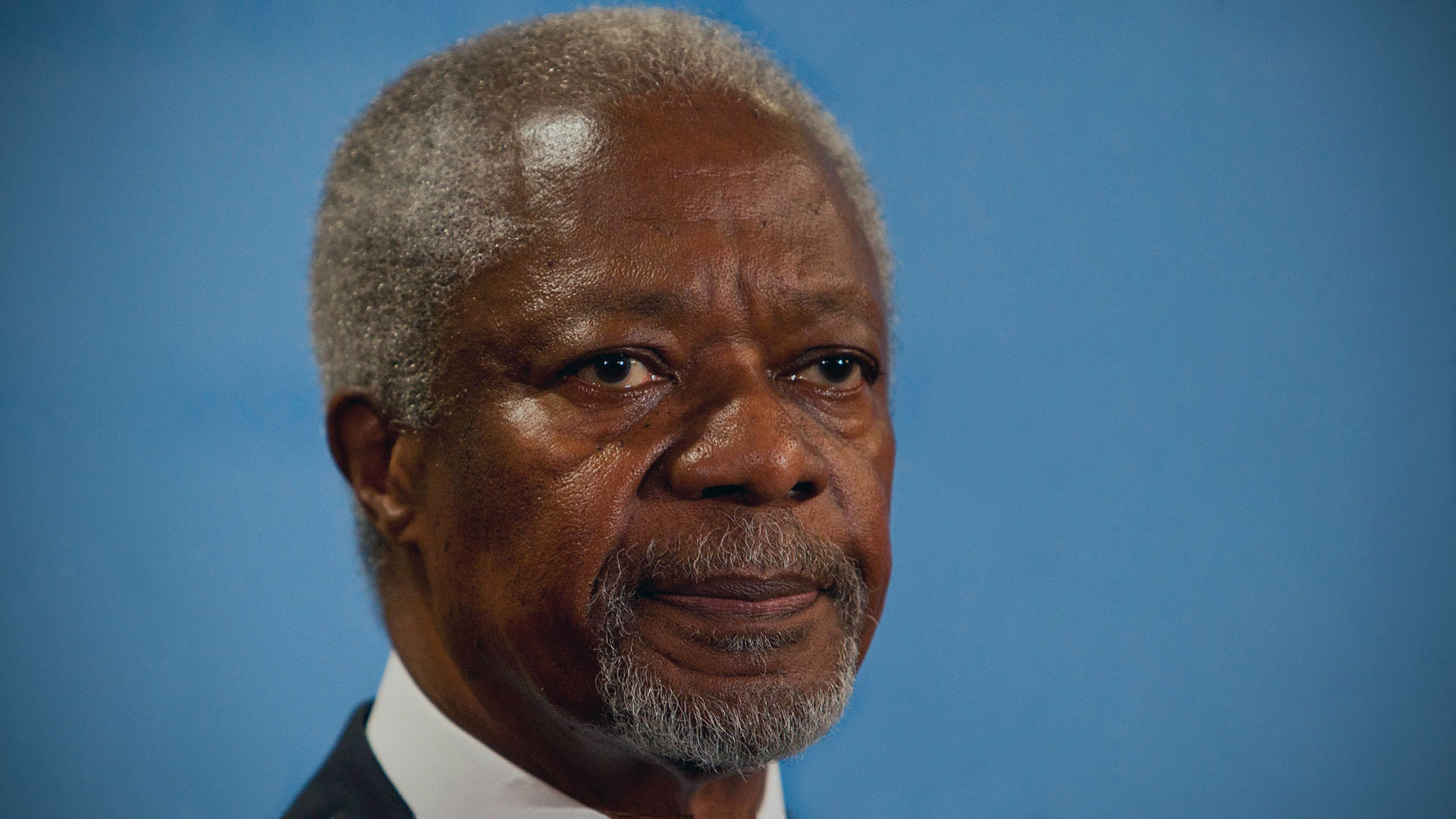
In 1946 His Majesty King Bhumibol Adulyadej, the ninth king of the Chakri dynasty, ascended to the Thai throne.
“More people have gone into space or climbed Mount Everest than have sledged to the North Pole.” This quote from Bruce Henderson’s 2005 True North: Peary, Cook and the Race to the Pole affords perspective for understanding those who attempt to explore where so few have gone before.
The Apache warrior Geronimo was a controversial figure who faced severely troubled times before his death on February 17, 1909. Considering our own troubled world a century later, perhaps people of all races have something to learn from Geronimo: particularly in regard to his willingness to discard old ideas and envision a new way of life.
The prophet Isaiah wrote of a time when swords would be turned into plowshares—when instruments of war would be turned into implements for farming—heralding lasting peace for humankind. But history reveals that plowshares turn into swords when knowledge used for good becomes knowledge used for evil.
Despite controversies in recent years, history will probably record that Queen Elizabeth's reign has been one of the most successful in British history.
That Zionist ideology formed the core of Ben-Gurion’s identity there can be little doubt. From his youth, the importance of settlement in the land was central to his views.
Sir Edmund Hillary of New Zealand will forever be honored for the feat of becoming the first man on top of the world. But Mt. Everest was just a foothill compared to the mountain of philanthropic work he scaled during the rest of his lifetime.
Today we may know him as Santa Claus, but the omnipresent, omniscient, jovial fellow's image evolved gradually through the years, adapting itself to different cultures around the world. By working backward through history, we find that he has been with us in various guises for thousands of years.
Hubble became known as the man who made the smartest man in the world change his mind about the structure of the universe. Einstein’s subsequent reconfiguring of what he called his biggest blunder brought Hubble’s astronomical observations of a mysterious expanding universe into the mainstream of scientific and public acceptability.
Bible History: Today we take for granted that people all over the world can read the Bible in any language. But for more than 1,000 years it was unavailable to most.
Confronted with the evidence of the inhumanity of slavery, William Wilberforce concluded he, “would never rest" until he'd succeeded in abolishing slavery throughout the entire British Empire. Indeed he never did rest. Because of strong opposition from those who feared that Britain would be economically disadvantaged if the slave trade were outlawed, the struggle proved a lifelong one.
This issue's Bio Vision looks at one of the most influential economists of all time, John Maynard Keynes.
Best known for his classic treatise "An Inquiry Into the Nature and Causes of the Wealth of Nations," Adam Smith is credited with establishing the discipline of political economics.
Can the life of a humble teacher of botany who lived at a much simpler time offer insight for a world caught up in the fast-paced information age?
Wycliffe set the stage for the great work of translation from the original languages that would be undertaken by William Tyndale.
Marx believed that the rules of culture and government in general are formulated primarily to suppress the poorer classes and should be forcibly abandoned.
Freud's effect on our modern world is that his message is largely responsible for the unwillingness of so many to see themselves as accountable for their actions and personal problems.
Albert Einstein is perhaps the most famous scientist of the 20th century, best known for the Special and General Theories of Relativity.
The observations of Charles Darwin gradually germinated into an idea that served to revolutionize almost every aspect of Western thought. But It is highly doubtful that Darwin himself ever thought natural selection to be an all-encompassing, God-replacing concept as all too many people have come to view it.
David Hume, Scottish philosopher and historian, may be aptly considered the leading neoskeptic of the early modern period. Yet in 18th-century Britain, he was a highly controversial figure, both attracting and repelling people across the entire intellectual, religious, and social scene.
Vision looks at former Israeli prime minister Shimon Peres, whose progressive ideas may well change the face of the Middle East.
Machiavelli's Il Principe features at times stark, emotionless evaluations and prescribes actions that grant little or no feeling of a leader toward his subjects.
The genius of Washington's leadership lay in his great courage, his dogged determinaton in the face of sometimes impossible odds, and his utter refusal to countenance defeat. And unlike many in politics, George Washington was not motivated primarily by power. The man who would not be king was well equipped to inspire: he knew what it meant to be trounced, and how to make the best of it.
After hundreds of attempts, scientists in Edinburgh, Scotland, were able to clone the first sheep.
Vision looks at the life of Benjamin Spock, who was instrumental in a child-rearing revolution. His is an amazing story of publicly displayed success that hid a private world of familial dysfunction.
Without question, John Paul II has been one of the most influential leaders of the 20th century.
Luther, had a profound impact on traditional Christianity. He was successful in beginning a movement to reject repression. Yet by attacking God's law and those who were seen to uphold it, he became a proponent of misunderstanding and hatred.
Pioneering genius, quintessential capitalist and one of the richest men in the world, Bill Gates has left his mark on the 20th century.
In the space of about 500 years, the world has seen what amounts to two communications explosions. In each instance, one person comes to mind as a key player. One of them, Johann Gutenberg invented printing.
President Woodrow Wilson is probably most remembered for his devotion to the cause of world peace in the forming of the League of Nations.
Many of the products and industries that today's society depends on today had their roots in the fertile imagination of the renowned inventor Thomas Edision.
Founder of the world's most prestigious scientific and humanitarian prizes, including the Nobel Peace Prize, Alfred Nobel was seemingly able to ignore the way his own powerful inventions were used.
His theories revolutionized the way we use science. Nicolaus Copernicus wanted to correct the science of astronomy, even though that might invite the wrath of the most powerful intellectual elite.
Anne Frank: The Diary of a Young Girl is second only to the Bible in nonfiction sales. Although Anne's life was cut short, the dedication she applied to her life goal actually resulted in its realization—possibly beyond her wildest hopes.
With a lifetime spanning more than a century, from Queen Victoria’s reign to the present, Britain’s Queen Mother has become a unique national treasure. The Queen Mum had the ability to relate to people of all backgrounds and social classes, a quality that endeared her to the British people.
Simply by looking at his early life, no one could have known the impact Friedrich Nietzsche would have on society. Countless artists, writers, sociologists and philosophers have been moved by his writings. But for the last 12 years of his life, Nietzsche was insane--his final years did not demonstrate a mind at peace.
As the central figure in Islam, Muhammad was, according to biographer Maxime Rodinson, “one of the rare men who have turned the world upside down.”
One of the intellectual and philosophical giants of the the 20th century, Bertrand Russell was one of the most widely read philosophers of his time. Russell's endeavours in the social sciences in particular earned him the acclaim of a Nobel Prize and the reprimand of two prison sentences.
Having plowed the first furrows in the field of a new philosophy called positivism, August Comte had a profound effect on the most noted philosophers of the 20th century.
Aspects of Augustine's copious written works are foundational to both Roman Catholic and Protestant theology.
William Tyndale was the first to translate the Bible into English from its original languages.
Tolkien's knack for stepping outside the box, coupled with his keen attention to detail, later enabled him to create not only a gripping story but an entirely new world for his readers.
One of the great women archaeologists of the 20th century, Kathleen Kenyon will be greatly remembered for her substantial contributions to the field.
Origen blended the truth of the Bible with Greek philosophy and has produced centuries of confusion on the subject of life after death.
It has been said that all other church historians begin where Eusebius of Caesarea leaves off. Eusebius played a significant role in the doctrinal debates and disputes that troubled the Catholic church during the early fourth century.
Author of The Protestant Ethic and the Spirit of Capitalism, Max Weber had a more significant role in shaping 20th-century political and social concepts than most people might recognize.
Personally taught by the apostle John, Polycarp remained totally faithful to the teaching of the apostles.
Early Church leader Polycrates was not afraid to hold fast to his beliefs in the face of persecution.
Christianity has long claimed Constantine as one of its own. Yet even toward the end of his reign the emperor was open to new philosophical ideas. For Constantine, it seems it all came down to religious power brokering.